
The Uncharted Overgrowth: Deconstructing the Design Challenges of ‘Hyper Light Breaker’










Popular Now
 PUBG Mobile
 Toca Boca World
 Schedule I
 Black Myth: Wukong
 Free Fire Max
 Grand Theft Auto V
 Sonic the Hedgehog™ Classic
 CarX Street
 Fall Guys
Valorant
Fall Guys
Valorant  GAME DEVELOPMENT INSIGHT — The highly anticipated 3D roguelite adventure, Hyper Light Breaker, from the acclaimed developer Heart Machine, launched into Early Access with a promise of expansive, cooperative exploration in the same beloved universe as Hyper Light Drifter. However, player feedback has consistently spotlighted a critical flaw that hampers the experience: a pervasive feeling of being lost and directionless. This challenge stems from a complex intersection of the game’s shift to a 3D Open-World Roguelite structure, its procedural generation, and the ambiguous execution of essential player onboarding and map design principles.
This article analyzes the underlying issues contributing to player disorientation in Hyper Light Breaker’s Early Access build and examines how its bold design choices contrast with the tightly controlled, handcrafted environments of its 2D predecessor, all while considering the recent, dramatic news regarding the title’s truncated development cycle.
The Drastic Pivot: From Hand-Crafted 2D to Procedural 3D
The original Hyper Light Drifter was an exercise in masterful environmental storytelling. Its 2D, top-down perspective allowed for pixel-perfect, deliberate level layouts that guided players through a world of minimal dialogue and maximum visual clarity. Every path felt intentional, and the map, while mysterious, was fundamentally a fixed, solvable puzzle. Hyper Light Breaker, in contrast, is a massive undertaking:
- The Roguelite Factor: The core conceit of Breaker relies on procedural generation to ensure replayability—a foundational trait of the Roguelite genre. This design inherently sacrifices the detailed, bespoke environmental cues that defined Drifter’s world. Each ‘Cycle’ generates a new, sprawling Overgrowth map, making familiarity an unreliable tool.
- The Verticality Challenge: Moving from 2D to a 3D environment with expanded traversal (gliding, wall-dashing, hoverboarding) introduces significant verticality. While this freedom is appealing, it exponentially increases the complexity of navigation. The path to a distant objective is no longer a simple line on a plane but a complex, three-dimensional route that players must plot, often leading to confusion about which cliff or structure is climbable.
- Visual Density: The gorgeous, neon-drenched art style of Breaker can, paradoxically, contribute to confusion. Unlike the stark, readable environment of Drifter, the vibrant, dense 3D space can make critical path indicators, landmarks, and subtle environmental clues difficult to distinguish from mere scenic elements. This is a common pitfall in visually busy open-world games.
The inherent tension between an open-world, roguelite structure and the tight, focused action-RPG experience of Drifter appears to be the primary cause of player bewilderment.
 The Missing Compass: Onboarding and Map Design Flaws
 The Missing Compass: Onboarding and Map Design Flaws
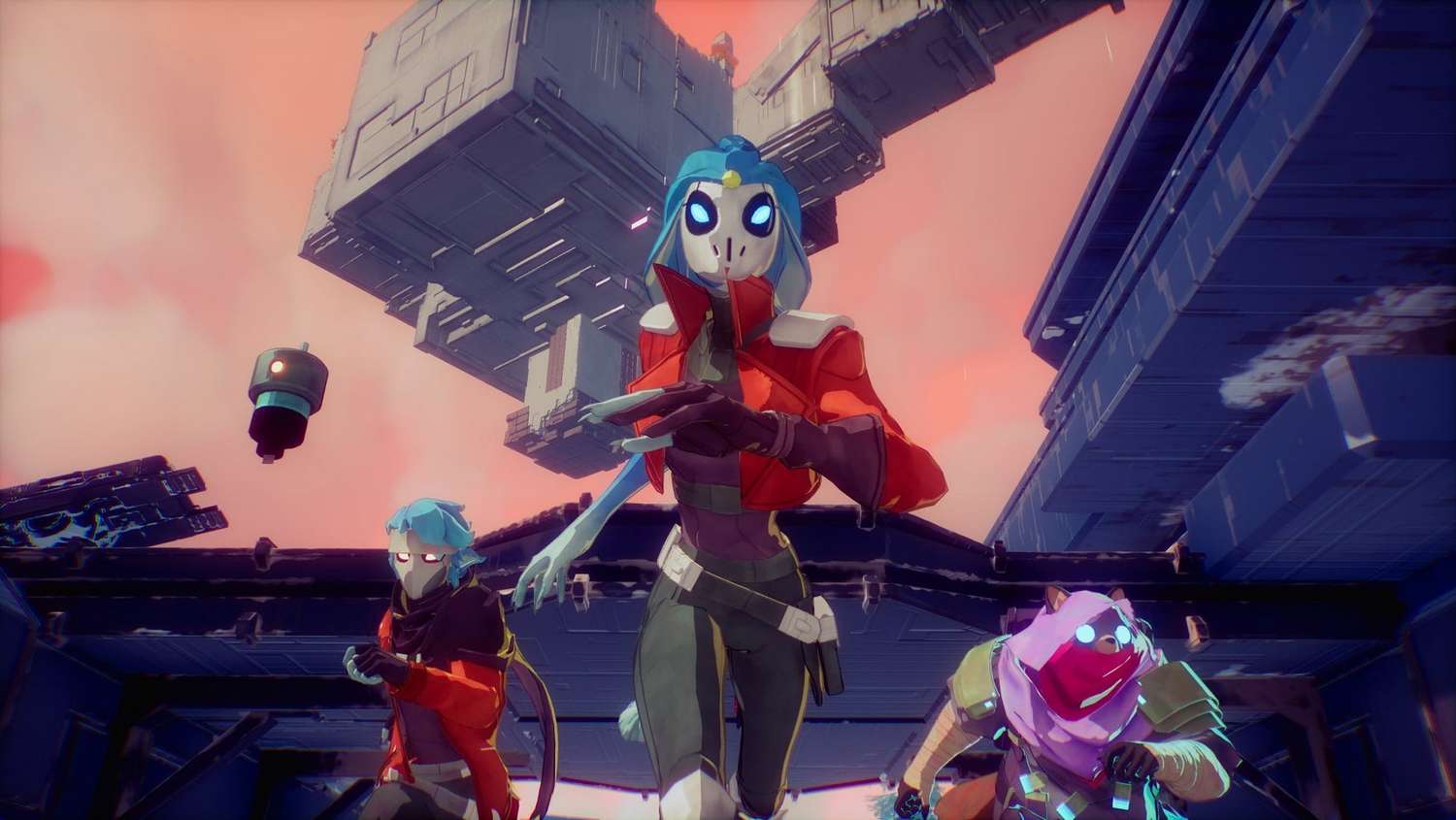
The feeling of being lost in Hyper Light Breaker is often less about the map size and more about the implementation of crucial Quality of Life (QoL) and user interface (UI) features, particularly in the Early Access launch state:
- Ambiguous Objectives: Many players reported that the game’s initial runs do not clearly communicate the immediate goal or the long-term progression loop. Unlocking basic tools, such as the initial Medkit capacity, is tied to obscure drops or unlocks, confusing the critical difference between temporary run progression and permanent meta-progression. This lack of clarity leaves players feeling like they are wandering aimlessly rather than investigating a labyrinth.
- Map and Compass Utility: A critical tool in any large 3D game is a functioning in-game map and ping system. Early feedback indicated that the map was not sufficiently detailed or interactive, and crucially, the lack of an easy way to mark points of interest or communicate directions in co-op runs exacerbates the problem. The procedural generation demands an excellent map, but the early version lacked the necessary tools for effective wayfinding.
- Pacing of Enemy Encounters: The relentless, high-damage enemy spawns, which some players compared to a poor imitation of a Risk of Rain 2 escalating timer, pressures players to rush. This creates a destructive feedback loop where the need to survive overrides the ability to pause, look around, and process the environment—the exact opposite of the contemplative exploration required to navigate a complex, procedurally generated space. This design choice harms the exploration incentive.
Addressing these issues requires a significant investment in core UX/UI design and fundamental balancing of the early-game difficulty curve, which, unfortunately, comes against the backdrop of recent, concerning news.
The Shadow of Uncertainty: Development Winding Down
In a dramatic shift that profoundly impacts this discussion, Heart Machine announced the winding down of Hyper Light Breaker’s development and accompanying layoffs in late 2025. This news casts a shadow over the game’s future and, specifically, the likelihood of a complete overhaul of the complex issues surrounding its level design and confusing progression. While the studio promised a final, polished January update to culminate the experience, the full, grand vision—which would undoubtedly have included iterative fixes for the ‘getting lost’ feedback—will likely remain unfulfilled.
This event highlights the inherent risks of Early Access development in the volatile indie and mid-tier video game market. The core problems of poor onboarding and confusing map design—issues the studio had publicly committed to fixing in their roadmaps—are now cemented as permanent legacy elements of the final available build. This will undeniably impact long-term player retention and the game’s reputation within the roguelite gaming community.
 Conclusion: A Muted Symphony of Ambitious Design
 Conclusion: A Muted Symphony of Ambitious Design
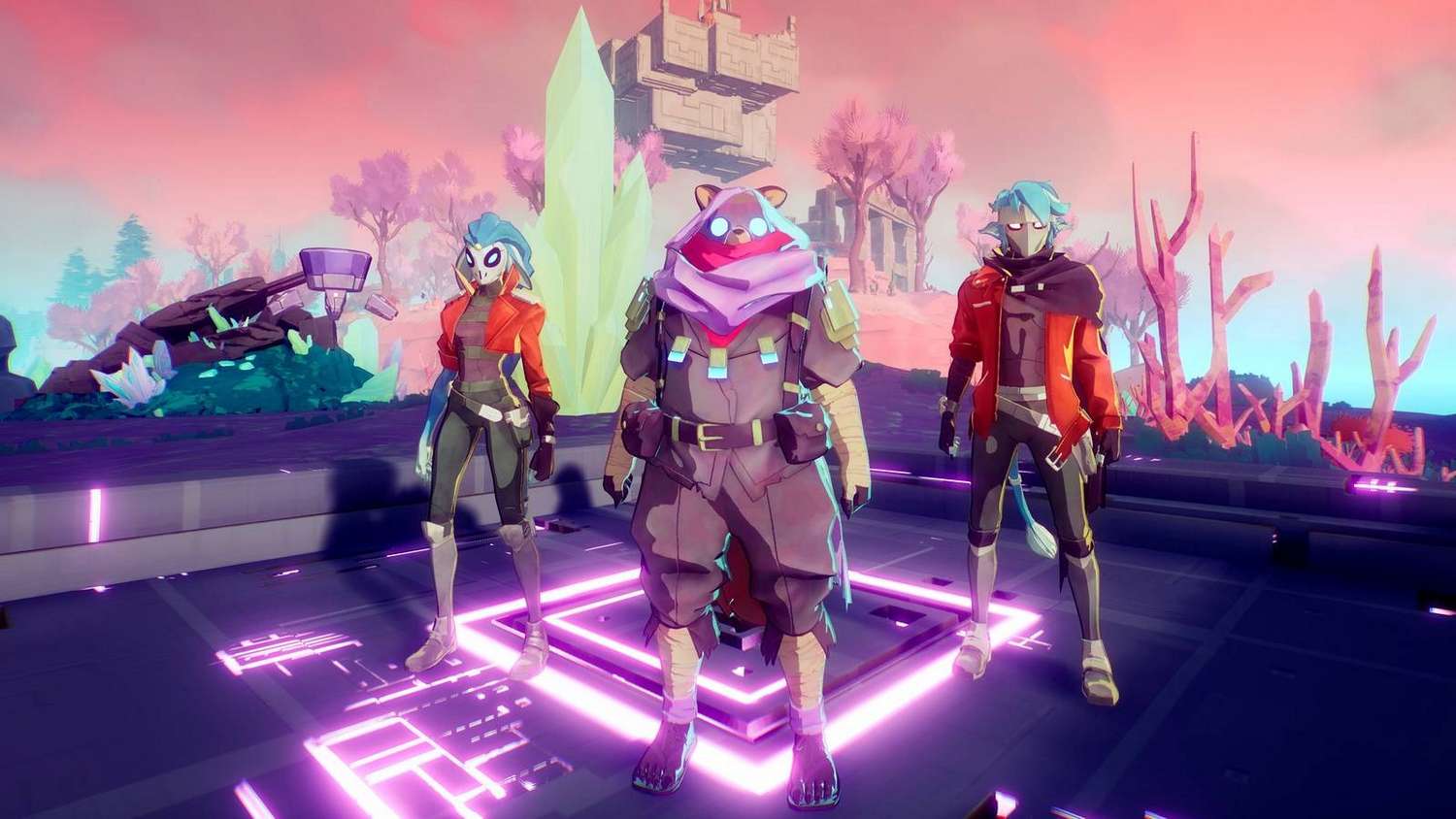
Hyper Light Breaker remains a stunningly ambitious project, successfully translating the unique visual poetry of Drifter into a 3D canvas. However, its ambitious pivot into the open-world roguelite genre introduced a fundamental conflict with its level design philosophy. The lack of a robust, intuitive system for navigation—exacerbated by performance issues, high difficulty, and minimal on-screen guidance—left many players feeling less like heroic Breakers and more like lost travelers struggling to find their bearing in a world that didn’t want them to succeed.
The game’s initial mixed reception, with a significant amount of critical feedback focused on these core design flaws, served as a stark lesson in Early Access communication and the challenges of massive genre shifts for beloved IPs. While the dedicated community continues to explore the fascinating, fractured beauty of the Overgrowth, the game stands as a poignant reminder of the fine line between bold game design innovation and the necessity of clear, user-friendly implementation.
Next Steps: Given the finality of the development status, players interested in Action Roguelites are advised to review the upcoming final patch notes to see the developer’s last attempts to address the core QoL issues before making a purchase decision.