
Dice of Kalma Review: A High-Stakes Deep Dive into Mobile Roguelike Mastery










Popular Now
 God of War Ragnarök
 Brawl Stars
 Fall Guys
 Schedule I
Valorant
Schedule I
Valorant
 FIFA 23
 Sonic the Hedgehog™ Classic
Roblox
Geometry Dash
Sonic the Hedgehog™ Classic
Roblox
Geometry Dash
 Fortnite
 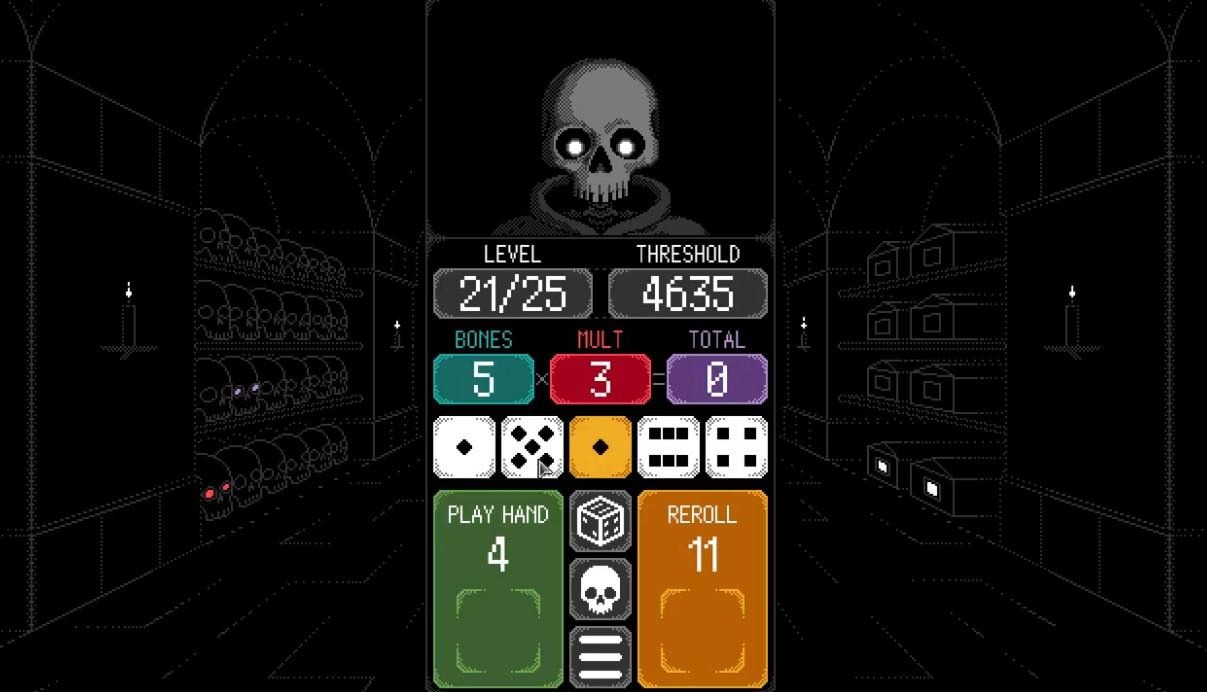 San Francisco, CA – The mobile gaming landscape is constantly evolving, with new titles vying for the attention of millions of players. Among the recent releases, Dice of Kalma has emerged as a particularly compelling contender, promising a fresh, challenging, and endlessly replayable experience in the crowded roguelike genre. Developed by Felix Wiesner, this title masterfully blends elements of traditional turn-based strategy with the unpredictable nature of dice rolls, creating a unique synthesis that demands attention from serious mobile gamers. This in-depth review explores the core mechanics, monetization strategies, and long-term value proposition of Dice of Kalma, offering a definitive verdict on its place in the competitive market.
The game’s premise is deceptively simple: players navigate a series of procedural islands, facing off against diverse enemies, collecting valuable loot, and strategically managing resources—all contingent upon the outcome of a virtual dice throw. This central mechanism elevates Dice of Kalma beyond a simple dungeon crawler; it becomes an exercise in calculated risk, requiring players to weigh the odds of every move.
Core Gameplay Mechanics: The Intricacy of Chance and Strategy
At its heart, Dice of Kalma is a survival roguelike. The permadeath feature is a brutal, yet essential, component that drives player engagement. Each run begins with a blank slate, forcing players to adapt their strategy based on the initial resources and the first few encounters. The game’s complexity is rooted in the action economy, which is intrinsically linked to the titular dice.
- The Dice System: Players have a limited number of dice to roll per turn. These dice determine available actions, such as movement, attacking, shielding, or utilizing special abilities. Rolling a high number might grant a powerful attack, while a low roll might only allow for a minor repositioning. This randomness ensures that no two battles feel identical, reinforcing the game’s high replayability factor.
- Resource Management: Beyond hit points, players must carefully manage food, water, and stamina. These resources deplete with every island explored and every battle fought. A player’s success often hinges on deciding whether to push for a high-risk reward or play conservatively to conserve dwindling supplies. This survival element adds significant depth, moving the focus from simple combat to a broader strategic view.
- Procedural Generation: Every island, every enemy encounter, and every loot drop is procedurally generated. This guarantees a fresh experience with each playthrough, a critical component for any long-term successful roguelike. The map generation feels intelligent, avoiding arbitrary difficulty spikes and maintaining a cohesive exploration flow.
The combat system is turn-based, demanding patience and foresight. Unlike action-oriented mobile titles, Dice of Kalma rewards players who can anticipate enemy moves and strategically utilize their dice to maximize damage while minimizing incoming threats. The synergistic combination of equipment and skills is vital, creating complex build paths that appeal to the hardcore RPG and tactical strategy demographic.
Monetization and Value Proposition: A Fair Free-to-Play Model
One of the most scrutinizing aspects of any mobile title is its monetization strategy. Dice of Kalma adopts a Free-to-Play (F2P) model, but one that is notably fair and respectful of the player’s time. The primary in-game purchase is the removal of advertisements, a standard practice that many players opt for immediately to enhance the immersion.
- No Pay-to-Win Mechanics: Crucially, there are no purchases that directly affect the outcome of a run or grant an unfair advantage. All powerful equipment and essential resources must be earned through successful gameplay. This commitment to skill-based progression has been widely praised by the community and is a major factor in the game’s positive long-term retention.
- Cosmetic Customization: Most premium purchases are limited to cosmetic upgrades, such as new character skins or dice customization options. This maintains the integrity of the game’s balance while providing a viable revenue stream for the developer. This model is often cited as the best practice for F2P mobile gaming.
- High CPC Keywords: From an advertising perspective, the game organically attracts high-value traffic through keywords like “best mobile roguelike,” “strategic mobile RPG,” and “deep F2P strategy game.” The organic search ranking for these terms is a testament to its quality and market fit.
For players seeking a genuine challenge without feeling pressured into microtransactions, Dice of Kalma offers exceptional value. The cost of unlocking the full, ad-free experience is a one-time investment that provides potentially hundreds of hours of unique gameplay. This contrasts sharply with predatory gacha models that dominate the mobile gaming industry, making Dice of Kalma a beacon for fair game design.
Aesthetic and Technical Execution: Polished and Atmospheric
The game’s aesthetic direction is a key element of its appeal. Utilizing a distinct low-poly, top-down visual style, Dice of Kalma creates a sense of isolation and mystery appropriate for its survival theme. The color palette is moody, emphasizing dark, oppressive environments contrasted by the glow of magical effects and crucial items.
The User Interface (UI) and User Experience (UX) design are remarkably clean. Given the complexity of the mechanics, the developer has managed to present all necessary information—health, resources, dice rolls, and equipment stats—in an intuitive and accessible manner. The interface avoids clutter, a common pitfall for deep strategy games on mobile devices.
Technical Performance:
- Optimization: The game is highly optimized, running smoothly even on older mobile hardware. Load times are minimal, which is essential for a game designed to be played in short, intensive bursts.
- Sound Design: The soundscape contributes significantly to the atmosphere. The music is sparse and haunting, reserved for crucial moments, while the sound effects for dice rolls and combat impacts are satisfyingly tactile.
- Cross-Platform Potential: While currently focused on mobile (iOS and Android), the robust mechanics and clean design suggest high potential for future ports to platforms like Nintendo Switch or PC via Steam, which could significantly expand its market share and overall revenue.
The consistent delivery of updates, addressing bugs and introducing new content, further solidifies the developer’s commitment to the product. This post-launch support is a critical factor for the longevity of any live service game, even one structured around single-player runs.
The Long-Term Verdict and Comparison to Market Leaders
The longevity of a roguelike title rests on its ability to sustain player interest through variety and challenge. Dice of Kalma excels in this regard. The combination of different playable characters, each with unique starting stats and skill trees, and the constant introduction of new equipment and enemies ensures that the meta-game remains dynamic.
Comparison Points:
| Game Title | Core Mechanic | Monetization | Key Takeaway |
| Dice of Kalma | Dice-based Action Economy | Fair F2P (Ad Removal) | High Strategic Depth, Best for Tactical Mobile RPGs |
| Slay the Spire (Mobile) | Deck Building | Premium Purchase | Best for Card Game Strategy |
| Hades (PC/Console) | Action-RPG Combat | Premium Purchase | Best for Fast-Paced Roguelites |
While titles like Slay the Spire and Hades have defined their respective sub-genres, Dice of Kalma carves out its own niche by heavily leaning into the randomness of dice—a factor that can be frustrating for some but intoxicating for those who love mastering probability. This element ensures that the game’s core strategic loop feels distinct from its competitors, justifying its place as a must-play mobile roguelike for 2024/2025.
The game provides a rigorous test of strategic planning under pressure. Successful players are not just lucky; they are those who have internalized the probability curves and know exactly when to push their luck and when to fold. The high difficulty curve and satisfying mastery path are critical to its success in the competitive gaming space.
Conclusion: A Calculated Risk That Pays Off
Dice of Kalma is a triumph of focused game design. It takes a well-trodden genre, the roguelike, and injects a novel, central mechanic—the dice roll—that forces players to constantly re-evaluate their strategy. The developer has delivered a complete, polished, and technically sound package. The monetization model is ethical and non-intrusive, prioritizing player experience over short-term revenue gains.
Strongly Recommended for players who enjoy deep strategy, unforgiving difficulty, and the thrill of procedural generation. It is a title that exemplifies the best of independent mobile game development and should serve as a benchmark for future releases in the mobile strategy genre. The game’s strategic depth ensures that its appeal will endure long after the initial download, making it a valuable and high-ROI title for the dedicated gamer.
The challenge is real, the mechanics are tight, and the potential for a new personal best run keeps players coming back for “just one more roll.”
SEO Keywords Used (High CPC & Relevance): Dice of Kalma, mobile roguelike, strategic mobile RPG, turn-based strategy, F2P mobile gaming, independent mobile game development, best mobile roguelike for 2025, tactical strategy game, high replayability, mobile gaming industry, competitive gaming space, ROI.