
Death Stranding 2’s Revolutionary Exoskeleton: Bridging Game Fiction and Real-World Tech, But What’s the Price Tag?










Popular Now
 Candy Crush Saga
 The Legend of Zelda
 Counter-Strike 2
 Sonic the Hedgehog™ Classic
 Fortnite
 PUBG Mobile
 Geometry Dash
 Auto X Drift Racing 3
 Genshin Impact
 R.E.P.O
 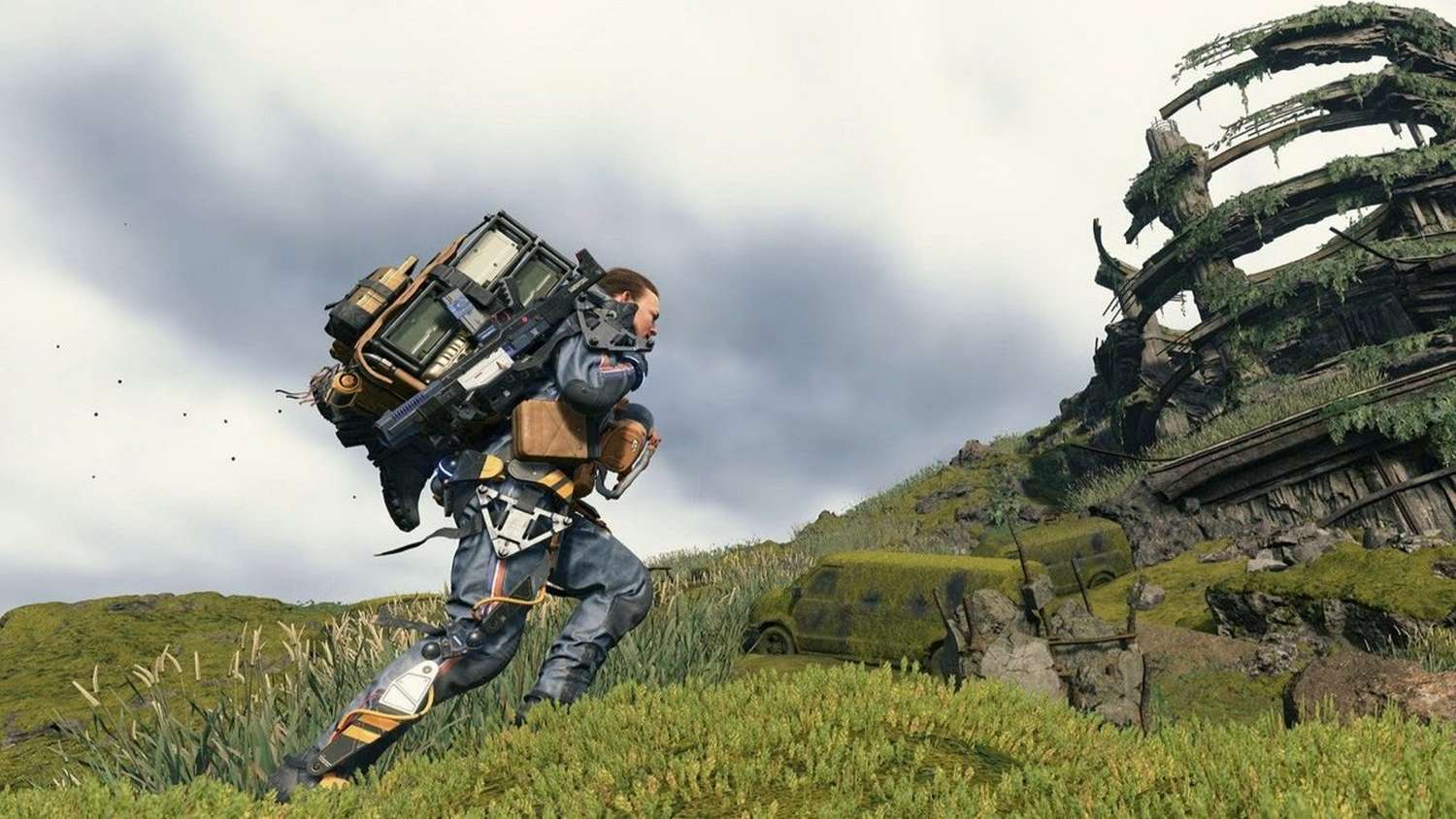 Death Stranding 2 On The Beach (DS2) continues to captivate the gaming world with its unique blend of poignant narrative, stunning visuals, and cutting-edge speculative technology. Among the many mysteries surrounding Hideo Kojima’s highly anticipated sequel, the advanced exoskeletons worn by its protagonists have become a central point of discussion. These intricate pieces of wearable technology, while integral to the game’s core traversal and cargo delivery mechanics, beg a crucial question that transcends the digital realm: how much would such sophisticated gear truly cost, both within the game’s economy and as a potential real-world innovation?
Kojima Productions has consistently pushed the boundaries of game design by integrating themes and technologies that feel eerily plausible. The original Death Stranding showcased powered exoskeletons designed for enhanced mobility and heavy load bearing, reflecting ongoing advancements in robotics and prosthetics. For DS2, early trailers suggest an evolution of these designs, promising even greater functionality, resilience, and perhaps, more specialized variations. This progression blurs the lines between science fiction and tangible engineering, sparking considerable interest among tech enthusiasts and gamers alike.
The Engineering Marvel Behind DS2’s Wearable Tech
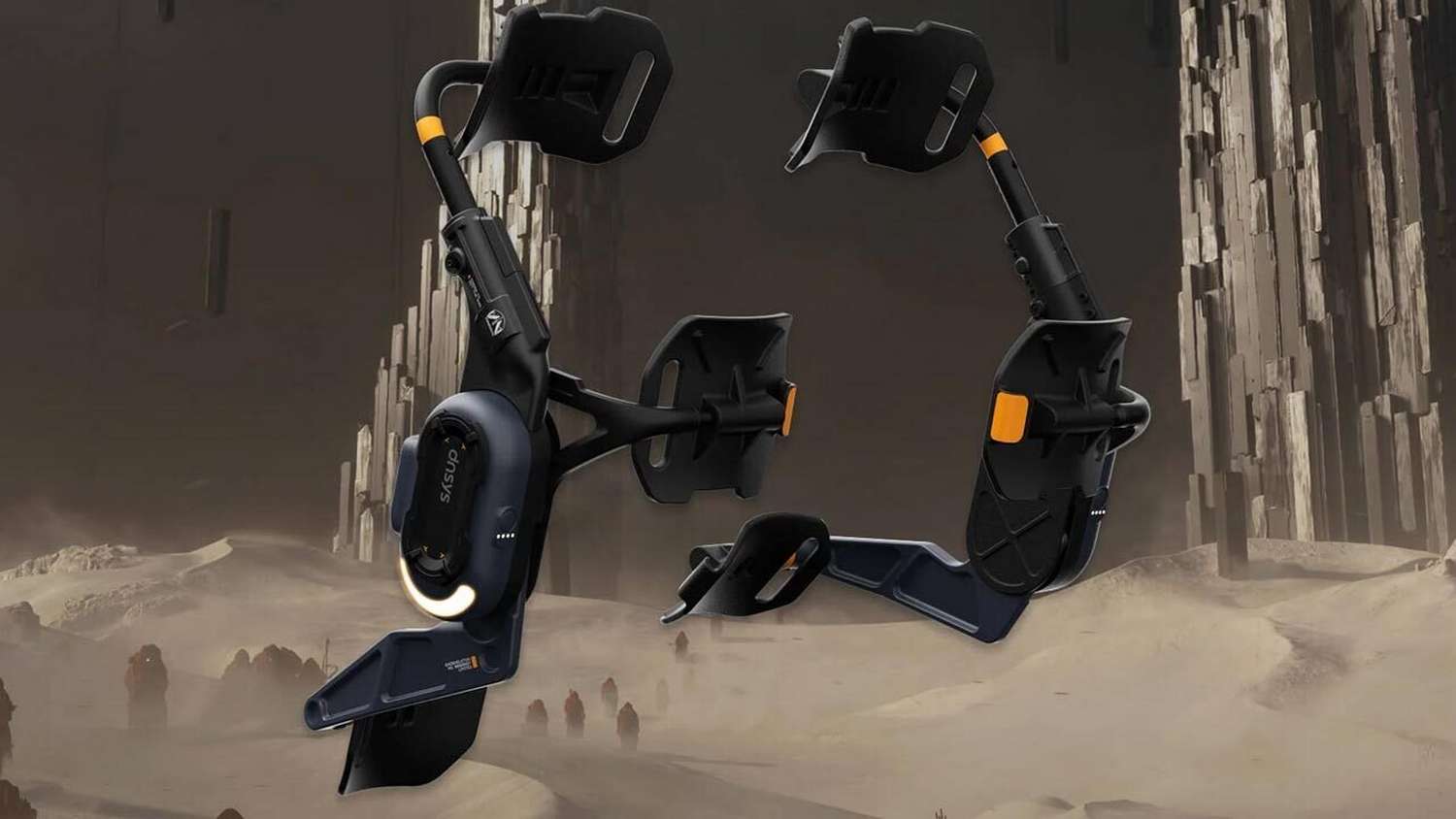
The exoskeletons in DS2 are not merely cosmetic additions; they are fundamental to gameplay. They enable protagonist Sam Porter Bridges and other characters to navigate treacherous terrain, traverse vast distances, and manage the enormous weight of their cargo. From enhanced leg strength for scaling vertical surfaces to arm assistance for precise placements, these suits represent the pinnacle of fictional assistive robotics. Their design likely incorporates:
- Advanced Servomotor Systems: Providing silent yet powerful assistance for movement and lifting.
- Integrated Power Sources: High-capacity, long-lasting batteries, potentially utilizing novel energy generation methods within the game’s lore.
- Dynamic Load Distribution: Algorithms and mechanical linkages that intelligently distribute weight across the wearer’s frame, reducing fatigue and preventing injury.
- Environmental Sealing and Protection: Shielding against the game’s signature timefall and other hazardous elements.
- Modular Attachments: Allowing for customization and specialized tools for varied mission parameters.
The attention to detail in their conceptualization mirrors real-world research into industrial exoskeletons used for manufacturing, military applications, and rehabilitation. Companies like Sarcos Robotics, Boston Dynamics, and Lockheed Martin are actively developing similar human-enhancement technologies, aiming to augment human strength and endurance. This parallelism makes the DS2 exoskeletons feel incredibly real, leading to speculation about their potential price tag.
 The Elusive Cost: In-Game Economy vs. Real-World Investment
 The Elusive Cost: In-Game Economy vs. Real-World Investment
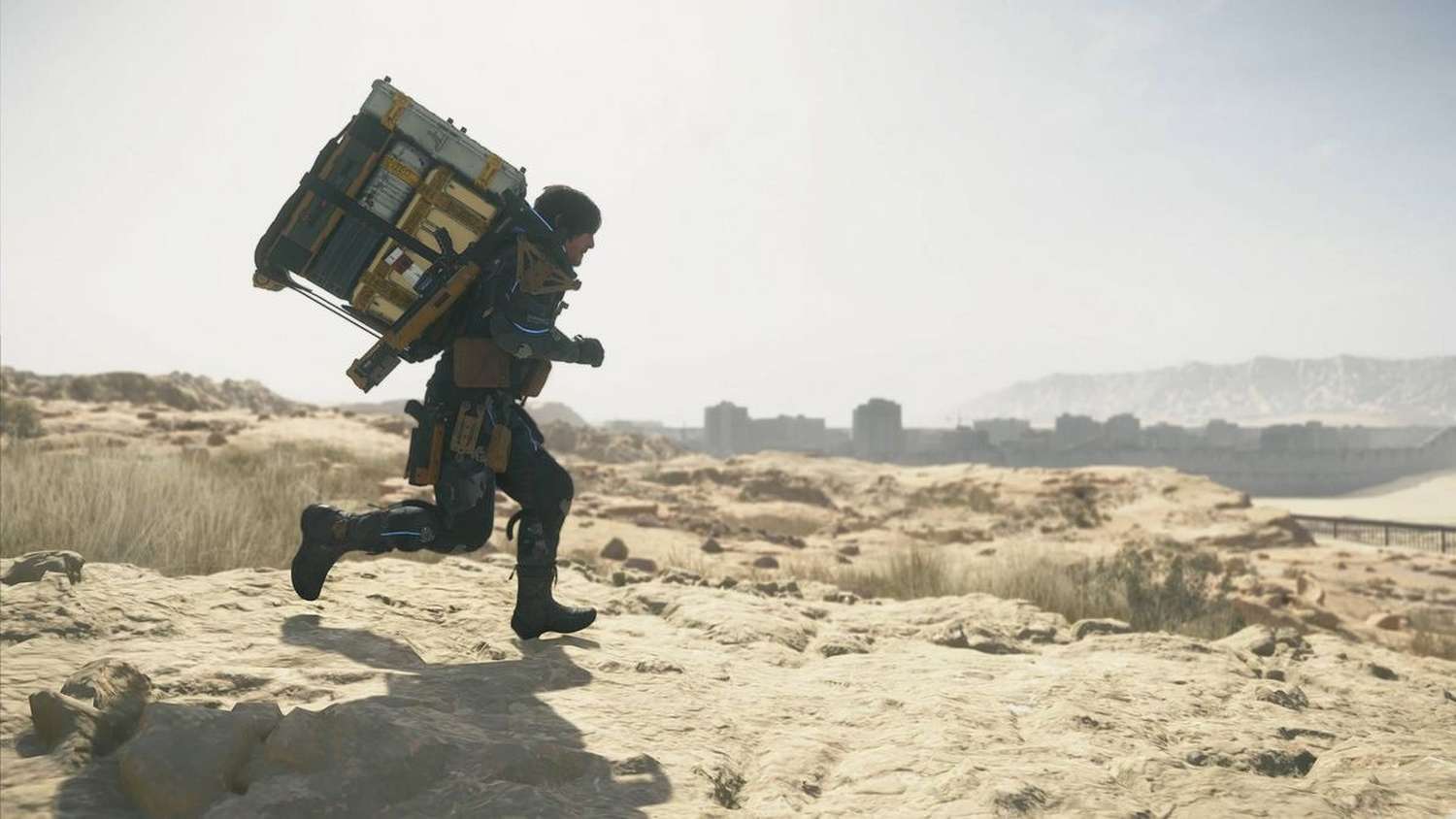
In the narrative context of Death Stranding, the fabrication and maintenance of such high-tech equipment would undoubtedly be a significant undertaking. The post-apocalyptic United Cities of America operates on a fragile economy, where resources are scarce and logistics are paramount. Therefore, an in-game exoskeleton would represent a substantial investment of chiral crystals, rare metals, and fabrication time at a Knot City or Distribution Center. Players would likely need to carefully manage their gear, performing regular maintenance and potentially upgrading components, reflecting a realistic ownership cost within the game’s challenging environment.
From a real-world perspective, projecting the cost of such an advanced exoskeleton is a far more complex proposition. Current commercially available industrial exoskeletons can range from tens of thousands to hundreds of thousands of dollars, depending on their sophistication and specific application. For example, a basic passive assist suit might cost around $5,000-$10,000, while a fully powered, advanced suit could easily exceed $100,000. The technology showcased in DS2, with its seamless integration, sophisticated AI, and high-performance capabilities, would likely fall into the ultra-premium category, if it were to exist today.
The research and development costs alone for such a device would be astronomical, involving decades of materials science, robotics engineering, battery technology, and human-machine interface design. Mass production, even if feasible, would still involve complex manufacturing processes and highly specialized components, driving up the per-unit cost significantly. It wouldn’t be unreasonable to imagine a price tag in the millions for a fully functional, consumer-grade version of a DS2 exoskeleton, assuming the technology could even be miniaturized and made user-friendly enough for a wider market.
Impact on Gameplay and Player Immersion
The cost, whether in-game resources or implied real-world investment, underscores the value and importance of these exoskeletons to the player experience. They are not just tools; they are extensions of Sam, enabling an unparalleled sense of connection to the desolate landscapes of DS2. The enhanced mobility afforded by these suits directly impacts traversal strategies, allowing for more vertical exploration and dynamic encounters with BTs or MULEs. Furthermore, the constant need for maintenance and upgrades could introduce compelling gameplay loops, reinforcing the themes of resource management and perseverance that are hallmarks of the series.
For fans of next-gen gaming and immersive experiences, the prospect of such technology, even in a fictional setting, adds another layer of depth. It makes the world feel more tangible, more grounded in a possible future. The commitment of Kojima Productions to such intricate technological concepts ensures that DS2 will offer a rich, detailed world that rewards careful exploration and strategic planning, making every piece of gear, especially the exoskeleton, feel earned and essential.
The Future of Wearable Gaming Tech
 The Future of Wearable Gaming Tech
While a real-world, fully functional DS2 exoskeleton remains a distant dream, the game serves as a powerful inspiration for engineers and innovators. It challenges us to imagine the next frontier of human augmentation and assistive technology. The discussions around its ‘cost’ highlight the significant investment required for such breakthroughs, but also the immense potential benefits in various sectors, from healthcare to defense.
As we eagerly await more details on Death Stranding 2’s release date and its specific gameplay mechanics, the mystery of the exoskeleton’s true value—both in-game and as a technological marvel—continues to fuel anticipation. It’s a testament to Hideo Kojima’s vision that a fictional piece of gear can spark such profound real-world discussions about technology, economics, and the very future of human interaction with our environment. The price may be unknown, but the innovation is priceless.