
Shattering Expectations: A Surprising Number of Players Are Finishing the Battlefield 6 Campaign







Popular Now
 Auto X Drift Racing 3
 Grand Theft Auto V
 Sonic the Hedgehog™ Classic
 Stumble Guys
 Rust
Rust
 Garena Free Fire: Kalahari
 Free Fire Max
 League of Legends
 Black Myth: Wukong
 Call of Duty
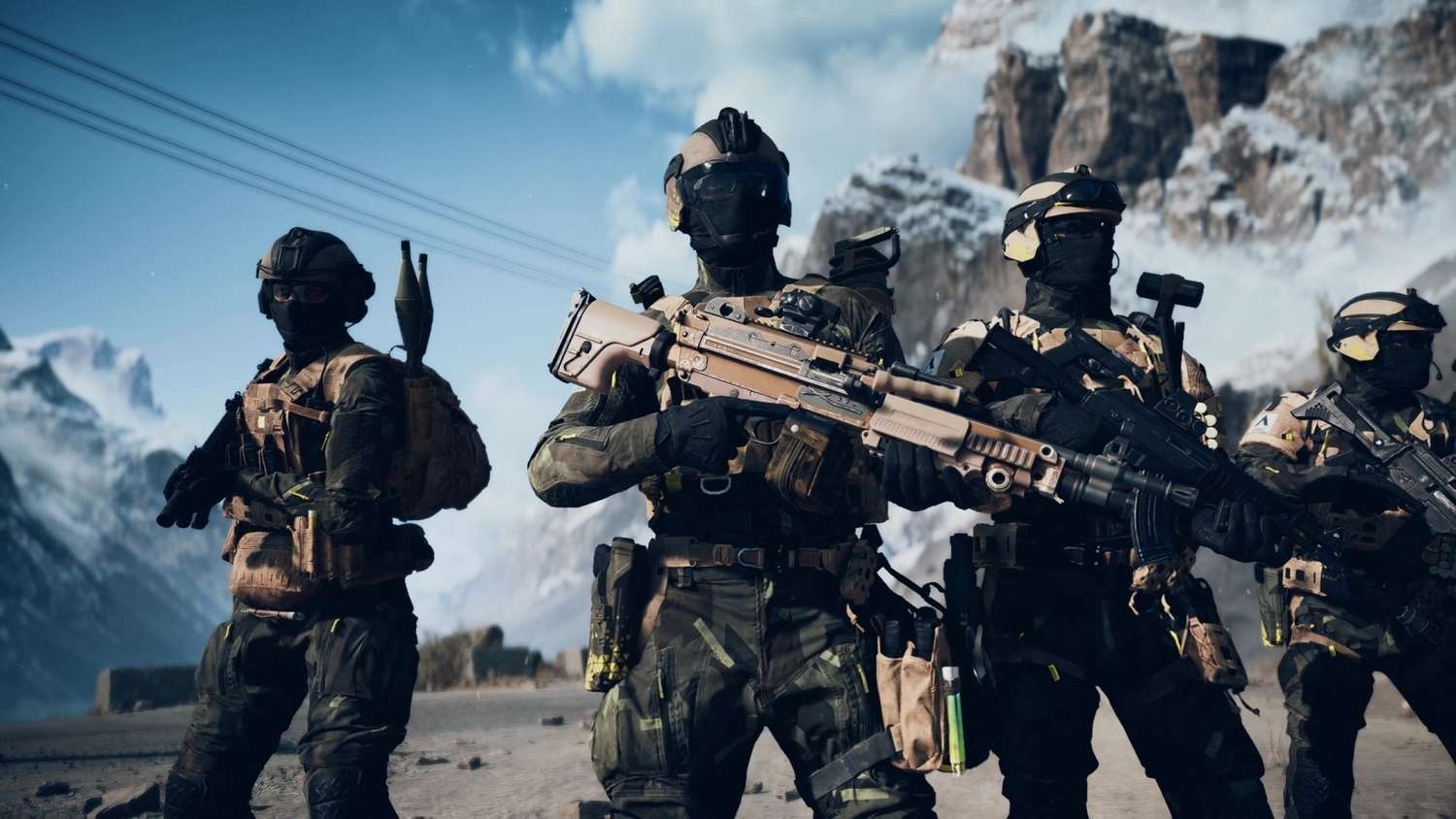
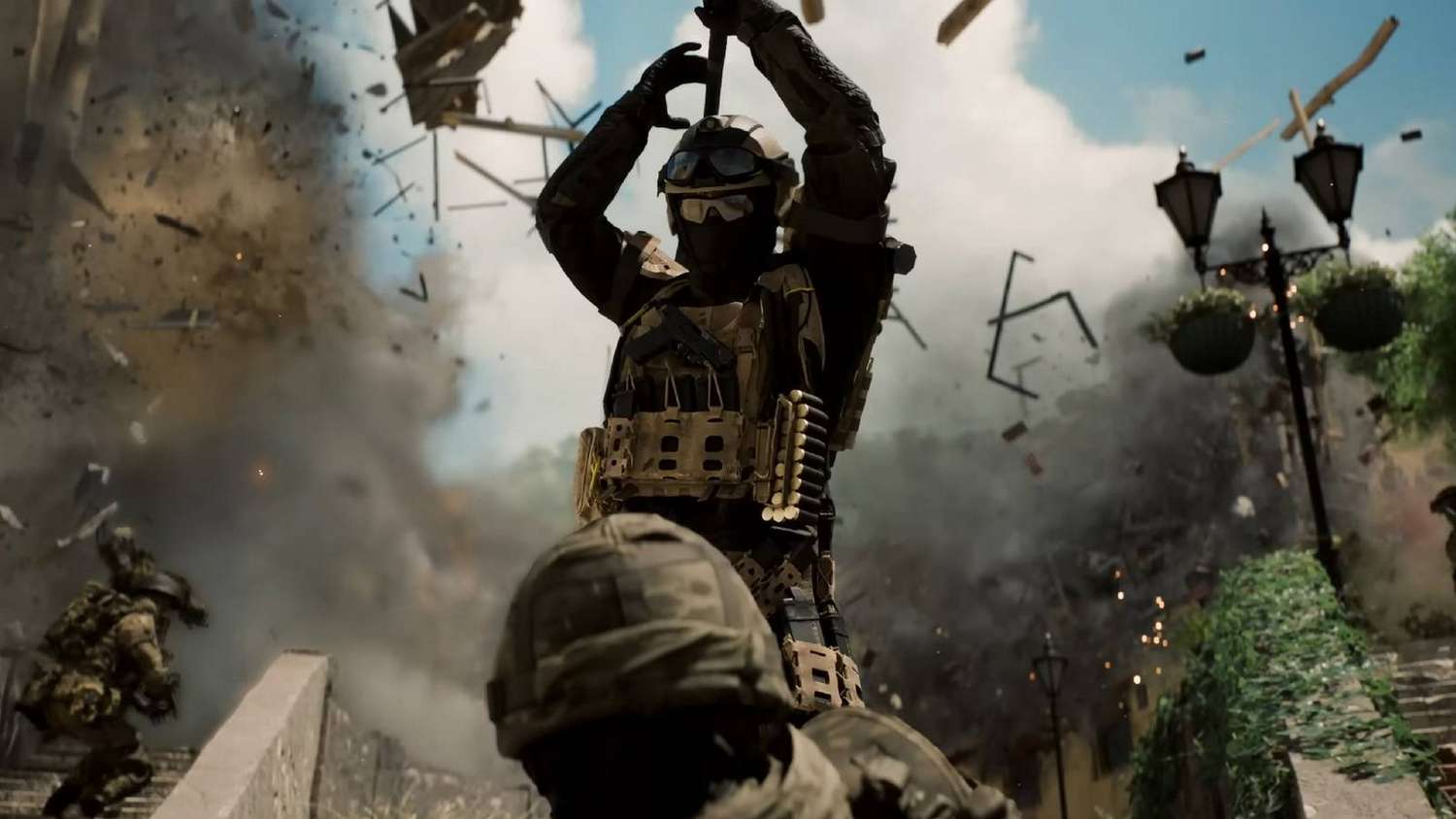
  The Battlefield franchise has historically been synonymous with large-scale, chaotic multiplayer warfare. The single-player campaign, while a staple for many entries, has frequently been viewed by the industry and a significant portion of the player base as a secondary offering—the “vegetables” before the main course of online FPS action. However, emerging data and player engagement metrics suggest a dramatic shift in this paradigm for the recently launched Battlefield 6. Initial internal reports hint at a surprisingly high, and growing, campaign completion rate, challenging the long-held assumption that the single-player experience is merely an afterthought.
This unexpected trend is garnering significant attention from Electronic Arts (EA) and Battlefield Studios developers, as it potentially impacts future development priorities and monetization strategies. The high completion rate, which sources indicate is markedly above the single-digit percentages often seen in the franchise’s past—especially in comparison to titles like Battlefield 4’s campaign trophy rates—signals a potent and valuable new player segment.
The sheer scale of the game’s launch, which saw record-shattering sales (over 7 million copies in the first three days, according to EA) and massive concurrent player counts on platforms like Steam (over 500k at peak), already established Battlefield 6 as a commercial juggernaut. But the campaign completion data adds a crucial qualitative layer to this success.
The Core Argument: Why This Campaign Resonates
Industry analysts and dedicated community members have begun to dissect the potential reasons behind this phenomenon. Several factors are believed to contribute to the campaign’s unexpected appeal, moving it from a mere tutorial or narrative side-piece to a compelling experience in its own right.
- Narrative Focus and Tone: While past Battlefield campaigns have sometimes struggled with inconsistent tone, Battlefield 6 has been praised for a more focused, character-driven narrative. The story’s grounding in a near-future geopolitical conflict, coupled with strong voice acting and cinematic direction, appears to have captured the attention of core gamers seeking a serious, immersive experience.
- Introduction of Multiplayer Mechanics: Unlike some previous iterations where the campaign felt disconnected, the Battlefield 6 single-player mode cleverly integrates specialist abilities and weapon customization systems that are core to the multiplayer (MP) experience. This provides a valuable, low-pressure training ground for new players and a narrative context for veterans.
- Optimal Campaign Length: The length is reported to be concise yet impactful. In a gaming landscape where “bloated” open-world experiences can lead to player fatigue and abandonment, the tightly paced Battlefield 6 campaign offers a satisfying conclusion without demanding dozens of hours. This is a critical factor for achieving a high completion percentage.
- High-Value Collectibles and Rewards: While this factor is more transactional, it remains a powerful motivator. Completing the campaign, or specific missions within it, unlocks exclusive cosmetics or weapon blueprints for the highly competitive multiplayer game mode. This linkage effectively funnels the most dedicated segment of the player base through the narrative content.
 The Commercial and Strategic Implications
 The Commercial and Strategic Implications
The high engagement with the campaign has tangible consequences, especially concerning the highly coveted high CPC keywords in the gaming sphere:
Impact on Next-Generation FPS Development:
The success of this campaign sends a clear signal to developers of AAA FPS games—the single-player component cannot be neglected. In the ongoing Call of Duty vs. Battlefield rivalry, the quality of the campaign now stands as a potential differentiator, especially in attracting new players who might be intimidated by the franchise’s notoriously steep multiplayer learning curve. Future Battlefield titles will likely see significantly more development resources allocated to the single-player experience, aiming to create a balanced offering that justifies the $70 video game price tag.
SEO and Marketing Value:
The unexpected interest in the campaign fuels a secondary wave of content. Search queries focusing on “Battlefield 6 ending explained,” “best campaign weapons,” and “single-player Easter eggs” generate a substantial volume of organic search traffic. For EA, this translates into sustained visibility well past the initial launch window, keeping the “Battlefield” brand relevant in search algorithms.
Addressing the Critics: The ‘Mixed’ Reviews Context
It is important to acknowledge that the game has faced a mixed reception on platforms like Steam, with player frustration largely centered on the live-service elements of the multiplayer—specifically, issues related to progression systems, the controversial introduction of features like pop-up ads for the Season 1 Battle Pass, and the initial scale of certain maps.
The narrative campaign’s success stands in stark contrast to these criticisms. It functions as a stabilizing force in the game’s overall perception. The campaign, which is a one-time purchase, is praised for being a complete, polished experience at launch, whereas the live-service multiplayer is still undergoing rapid iteration and bug-fixing. This suggests that players who felt disillusioned by past live-service models are turning to the campaign for a reliable, complete gameplay experience.
The campaign, despite initial mediocre critic scores (such as a 5/10 from IGN), is clearly performing better with the actual player base than anticipated. This gap between critic review and player completion metrics highlights an ongoing discussion in the industry about how to evaluate modern AAA titles that blend traditional single-player content with expansive, evolving live-service components.
Looking Ahead: The Future of Campaign Engagement
 Looking Ahead: The Future of Campaign Engagement
As the game transitions into its live-service phase with the imminent release of Rogue Ops in Season 1, the question remains whether the campaign’s high completion rate will lead to higher-than-average retention in the multiplayer ecosystem. The developers are clearly banking on the campaign to act as a recruitment tool, teaching fundamental skills and building a crucial emotional connection to the Battlefield world.
Early data appears promising, but the true test will be the long-term impact on the high-value player who completes the story. If a higher percentage of these players convert into consistent multiplayer participants and Battle Pass purchasers, it validates the renewed investment in single-player content as a key driver for the long-term value and high CPC marketing of the Battlefield IP.
The Takeaway:
The single-player campaign of Battlefield 6 is more than just a footnote; it is a critical, and surprisingly successful, element of the game’s launch package. Its high completion rate is a measurable metric of player satisfaction and a loud message to the industry: quality narrative and single-player polish still matter greatly, even in a franchise built on all-out multiplayer warfare.