
Arc Raiders’ Toughest Achievement: Unpacking the Intense Stress of Elite Gaming Challenges










Popular Now
 FIFA 23
 Black Myth: Wukong
 Stumble Guys
 Genshin Impact
 The Legend of Zelda
 Schedule I
 Warframe
 Among Us
 Free Fire Max
 CarX Street
  Embark Studios’ Arc Raiders, the highly anticipated free-to-play extraction shooter, has quickly carved out a niche for itself within the competitive online gaming landscape. While the game boasts thrilling co-op combat against an alien threat and strategic resource management, one particular achievement stands out as an unparalleled source of player stress and an ultimate test of dedication. For many, including myself, conquering this singular challenge has been an ordeal far exceeding typical endgame content, pushing the boundaries of what a gaming experience can demand from its players.
From the moment Arc Raiders launched, it promised a unique blend of third-person shooter mechanics with a heavy emphasis on teamwork and survival. Players drop into hostile environments, gather vital resources, and extract before being overwhelmed by relentless mechanized adversaries. The core loop is engaging, offering intense firefights and rewarding progression. However, like many modern titles, Arc Raiders includes a suite of achievements designed to reward long-term engagement and mastery. One such achievement, often shrouded in hushed tones within the community, demands an exceptional level of skill, perseverance, and sheer luck, making it the most formidable barrier to 100% completion.
The Anatomy of Anxiety: Dissecting Arc Raiders’ Most Stressful Triumph
The achievement in question, often referred to colloquially as ‘The Last Stand’ or ‘Absolute Perfection’ (specific name varies based on platform, but its requirements remain consistent), tasks players with completing a high-tier extraction mission without any squad member taking damage from a ‘Heavy Arc’ unit throughout the entire run. This isn’t merely about personal skill; it’s a symphony of coordinated defense, precise positioning, and anticipating enemy movements with near-clairvoyant accuracy. In a game renowned for its chaotic firefights and overwhelming enemy numbers, avoiding even a single point of damage from these formidable adversaries — often responsible for significant area-of-effect attacks and devastating ranged bombardments — transforms a standard mission into a high-stakes psychological thriller.
- Precision and Awareness: Every player must maintain impeccable situational awareness, constantly monitoring enemy spawns and movement patterns.
- Team Communication: Flawless callouts and strategic positioning are non-negotiable. A single misstep by one squad member can instantly invalidate an hour-long attempt.
- Resource Management Under Pressure: While not directly tied to taking damage, effective use of defensive abilities, gadgets, and environment manipulation becomes critical to controlling the battlefield and preventing opportunities for ‘Heavy Arcs’ to strike.
- RNG Factor: The randomized nature of enemy spawns and mission objectives can introduce unpredictable elements, forcing on-the-fly adaptations that carry immense risk.
The mental toll of attempting this achievement repeatedly is immense. Each attempt represents a significant time investment, often upwards of 45 minutes to an hour per run. The pressure mounts with every minute of a ‘clean’ run, knowing that one stray projectile or an unexpected enemy lunge can reset all progress. This constant threat of failure, combined with the collective responsibility of a team, creates an emotional crucible unlike anything I’ve experienced in recent memory. It transcends typical gaming difficulty; it becomes a test of patience, emotional resilience, and the capacity to rebound from repeated, soul-crushing setbacks.
 The Psychology of Extreme Gaming Challenges: Player Retention and Developer Intent
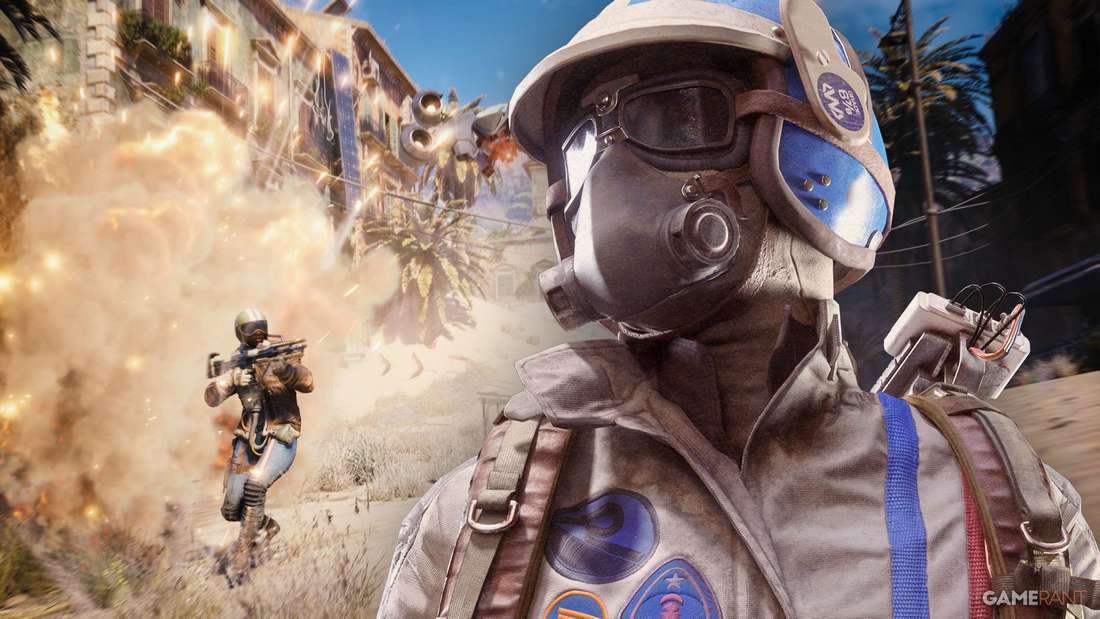 The Psychology of Extreme Gaming Challenges: Player Retention and Developer Intent
The existence of such profoundly difficult achievements in titles like Arc Raiders sparks an intriguing discussion about game design philosophy and its impact on player psychology. On one hand, these challenges cater to a segment of dedicated gamers known as ‘achievement hunters’ or ‘completionists,’ who thrive on overcoming seemingly impossible odds. For this demographic, the satisfaction derived from finally conquering such a feat is unparalleled, solidifying their mastery and extending their engagement with the game’s endgame content. This robust challenge can contribute positively to player retention for a niche, highly dedicated audience.
However, there’s also a delicate balance developers like Embark Studios must strike. Overly punitive or RNG-dependent achievements risk alienating a broader player base, potentially leading to frustration rather than gratification. The goal of any successful game review often includes an analysis of difficulty curves and accessibility. While the core gameplay of Arc Raiders is accessible, this specific achievement pushes the boundaries of what is considered reasonable for a casual or even moderately skilled player. It forces a level of commitment and repeated execution that can feel more like a chore than an enjoyable challenge, especially when compounded by factors outside direct player control.
The current market for online multiplayer games, particularly extraction shooters, thrives on continuous engagement and a sense of progression. Achievements play a crucial role in this, guiding players towards various aspects of the game and rewarding their time investment. When an achievement becomes an insurmountable psychological barrier, it can inadvertently become a point of contention. The high stakes involved in Arc Raiders’ most challenging achievement highlight a fascinating intersection of game design principles, individual player experience, and the pursuit of extreme gaming mastery. It raises the question: at what point does a challenge stop being fun and start becoming an actual source of stress, impacting overall well-being?
Beyond the Frustration: The Lessons Learned from Arc Raiders’ Apex Challenge
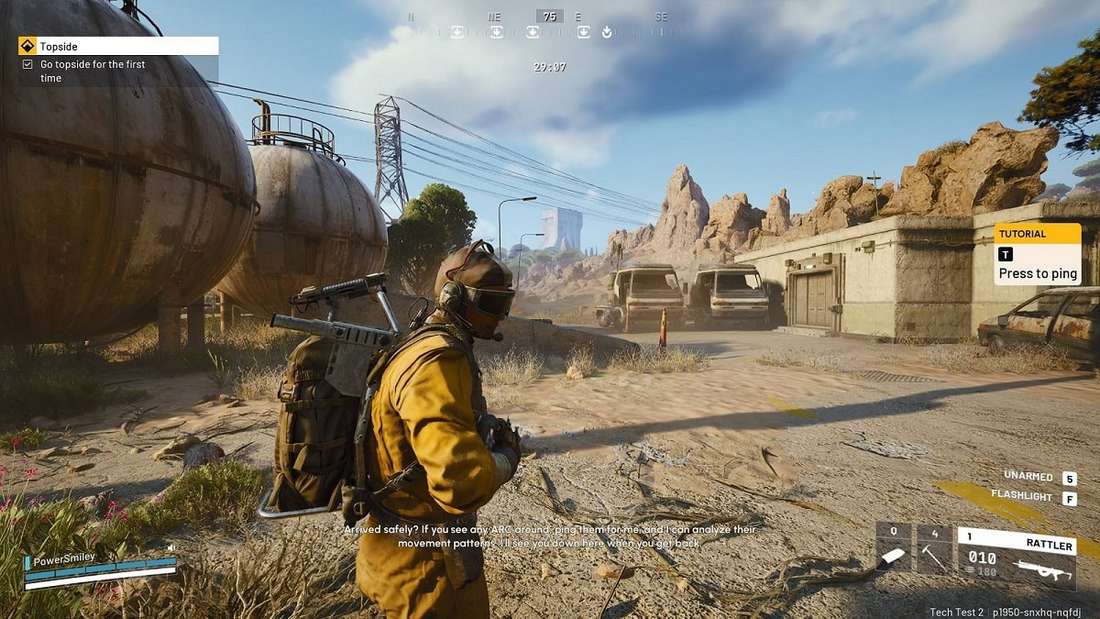 Beyond the Frustration: The Lessons Learned from Arc Raiders’ Apex Challenge
Despite the immense stress, there’s an undeniable allure to overcoming such a monumental task. The eventual success, when it finally arrives, is met with an explosion of relief and a profound sense of accomplishment. It transforms the digital world of Arc Raiders into a personal Everest, a peak scaled through sheer grit and collaborative effort. This achievement doesn’t just measure mechanical skill; it measures mental fortitude, the ability to coordinate under duress, and the capacity to learn from endless failures.
In the broader context of gaming challenges and player engagement, Arc Raiders’ toughest achievement serves as a powerful case study. It demonstrates how game developers can craft experiences that transcend mere gameplay, delving into the psychological demands of high-performance gaming. While the stress was palpable, the journey reinforced the importance of effective communication, adaptable strategy, and the sheer power of persistence in team-based environments. For those considering the dive into Arc Raiders’ deep end, be warned: the thrill of victory is inversely proportional to the agony of the journey, making this one of the most memorable and indeed, most stressful, gaming achievements in recent memory.