
Pirates Outlaws 2: Heritage Confirmed for December Launch – A Deep Dive into the Highly Anticipated Deck-Builder










Popular Now
 Candy Crush Saga
 PUBG Mobile
 Schedule I
 Sonic the Hedgehog™ Classic
 FIFA 23
 Poppy Playtime
 Brawl Stars
 God of War Ragnarök
 R.E.P.O
 Free Fire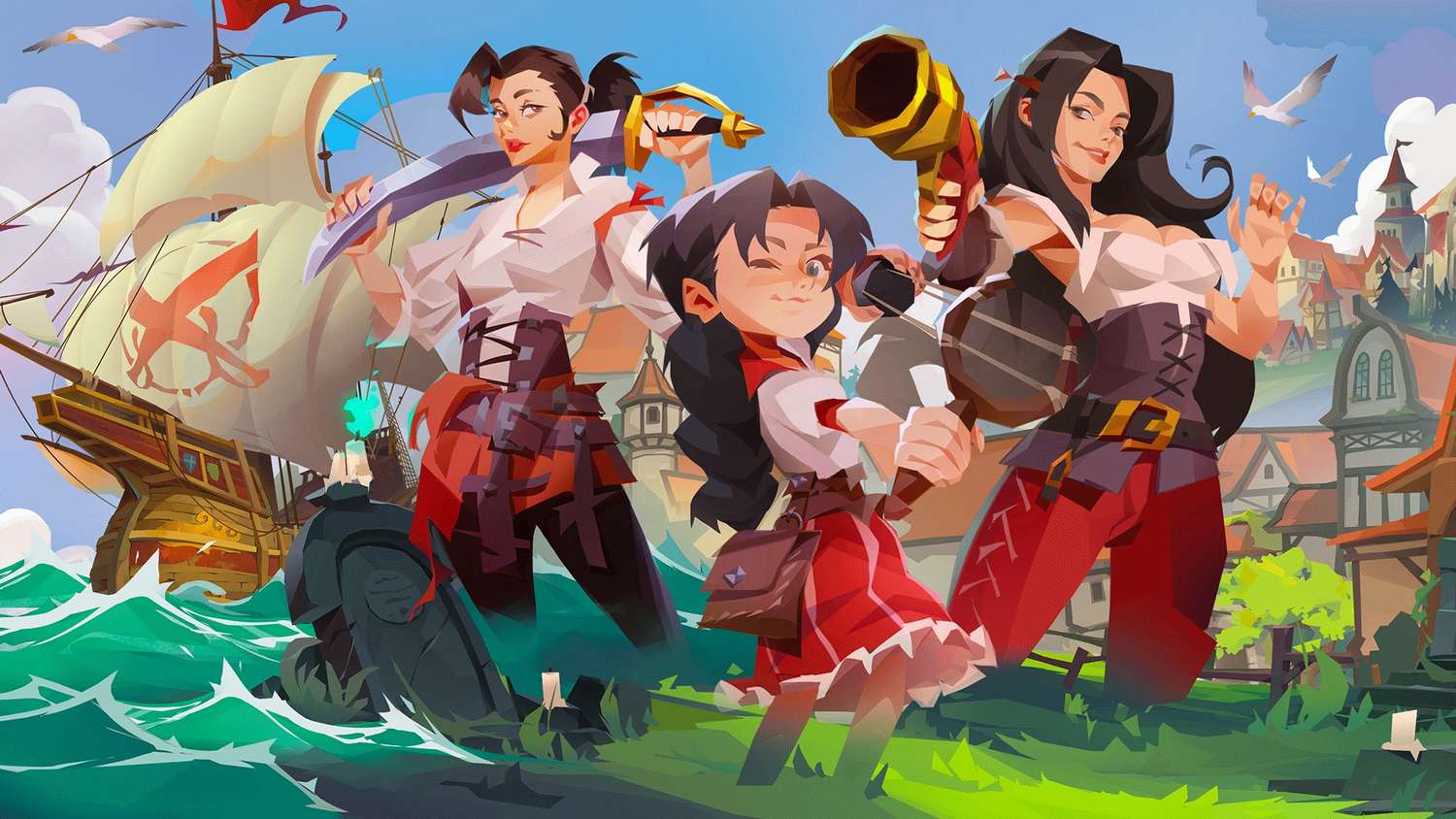
The Swashbuckling Sequel: Pirates Outlaws 2: Heritage Confirmed for December Launch—A Deep Dive into the Next-Generation Roguelike Deck-Builder
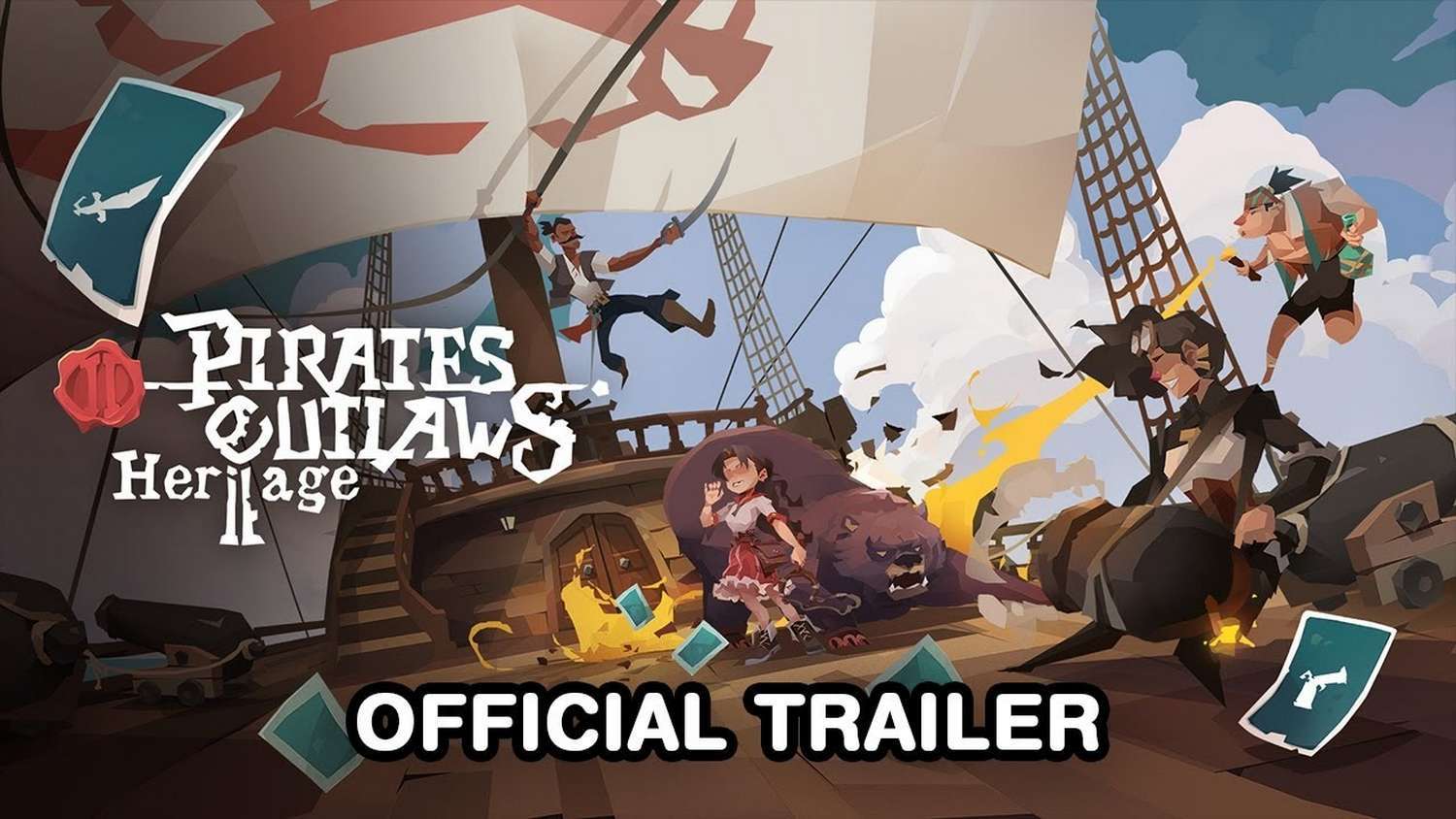
Attention Scallywags! The highly successful roguelike deck-builder franchise, Pirates Outlaws, is officially setting sail for its sequel. Pirates Outlaws 2: Heritage is confirmed to launch into Steam Early Access on December 4, 2025, with the mobile gaming versions (Android and iOS) slated to follow later in the month. Developed by Fabled Game Studio, this highly anticipated follow-up promises a dramatic expansion of the core formula, introducing a staggering number of new mechanics, deeper strategic choices, and unprecedented levels of customization aimed squarely at dominating the competitive card game market.
The original Pirates Outlaws earned its reputation on mobile platforms with over 3 million downloads, proving that a focused, engaging turn-based strategy experience could thrive outside the dominant PC gaming arena. The sequel, Heritage, is designed to appeal to both veterans and newcomers, offering a compelling blend of risk, reward, and the satisfying pursuit of overpowered combos against the backdrop of a new era at New Elysia. This deep dive breaks down the key innovations that position Pirates Outlaws 2 as a major event in the indie gaming calendar.
Innovation 1: The Triple-Layered Customization System
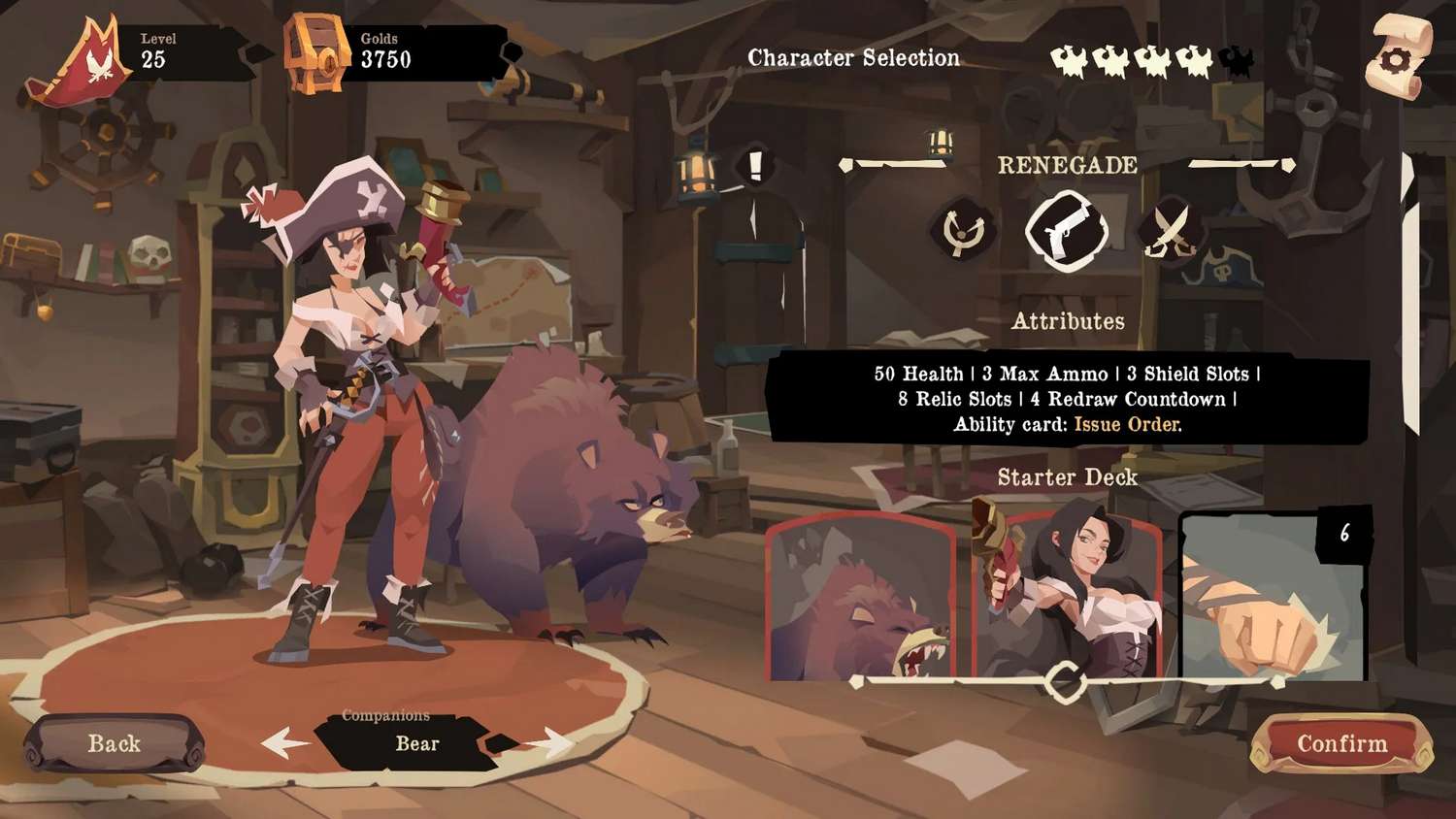
The most significant departure from the original game is the introduction of a modular character system that gives players an exponential number of strategic starting points. Heritage moves beyond single characters with fixed paths and instead allows players to combine three distinct elements:
Heroes, Classes, and Companions
- The Heroes (The Core): Early Access will feature three Heroes (with more planned), each possessing unique base attributes, starting cards, and exclusive Hero Ability Cards.
- The Classes (The Archetype): Each Hero has multiple unlockable Classes (seven confirmed for Early Access). Selecting a class completely alters the Hero’s appearance, their starting deck, and their core Unique Ability—defining the run’s archetype (e.g., focusing on stealth, critical hits, or armor scaling).
- The Companions (The Synergy): A completely new mechanic allows players to recruit an Animal Companion (four available in Early Access). These companions introduce their own unique Companion Ability Cards directly into the player’s starting deck. This creates dynamic, hybrid archetypes: a defensive Hero Class can now gain aggressive triggers through a Companion, leading to vast strategic possibilities.
This system directly addresses a common critique of the roguelike deck-builder genre: runs often feel similar after dozens of hours. The Hero/Class/Companion combination ensures that the first deck laid down at New Elysia is truly unique, injecting immense replayability and making deck optimization a multi-variable problem from the very start.
Innovation 2: Strategic Card Evolution and Fusion
Card acquisition and improvement have been entirely revamped with the introduction of the Card Evolution Tree and the Alchemy Shop system. These features reward thoughtful, long-term deck-building strategy over simple quantity accumulation.
The Card Evolution Tree
In Heritage, collecting three identical cards no longer just results in an automatic, fixed upgrade. The three copies are fused, but the player then chooses how the card evolves. For example, a basic attack card might evolve into three potential specialized forms:
- Damage Scaling Path: A version that increases base damage and scales with a specific late-game stat.
- Utility Path: A version that adds a vital Status Effect (like Mark or Wound) while retaining moderate damage.
- Economy Path: A version that refunds a portion of the Ammo/Action Points spent, focusing on high-volume card plays.
This system turns card duplication into one of the most significant strategic decisions of the entire run, allowing players to fine-tune their deck toward specific Relic combos or Hero Abilities. This depth ensures Pirates Outlaws 2 can compete directly with the genre’s titans on complexity and mastery.
New Hub Mechanics: The Old Town
Players now return to their Mansion hub in New Elysia before each expedition. New services in the Old Town, such as the Black Market (to permanently banish unwanted cards using rare Gemstones) and the Workshop (to craft Golden Cards for enhanced effects), add a layer of meta-progression that connects successful runs and minimizes the feeling of wasted effort when a run inevitably ends. This focus on long-term goals is a key driver of user engagement in Live Service Games and their premium counterparts.
Innovation 3: Free Map Exploration and Enhanced Combat Pacing
The map navigation and the turn-based combat itself have been improved to offer more player freedom and clearer tactical information.
- Unrestricted Sailing: Departing from the strictly linear paths of many competitors, the map in Heritage allows captains to freely navigate between islands within a region (Pirates Bay being the first). This means players can backtrack, revisit taverns to heal, or double-back to a market they previously ignored. This free exploration adds a critical layer of risk management, allowing calculated risks or strategic recovery time before challenging one of the nine formidable Sea Masters boss battles.
- Countdown Combat System: To make the turn-based combat more dynamic, Fabled Game has introduced a visible Countdown system linked to enemy actions. Every card the player plays affects this countdown, providing clear visual feedback on when the enemy will strike. This change demands a higher level of strategic timing and sequencing, forcing players to manage damage output, defensive shields, and enemy retaliation concurrently.
- The Arena Mode: The popular Arena mode returns, providing a focused, high-stakes area where players can test their most refined builds against curated challenges and aim to defeat the Arena Champion, providing a dedicated outlet for competitive gaming and build experimentation.
Market Positioning: The Deck-Builder Wars
Pirates Outlaws 2: Heritage enters the market at a time when the roguelike deck-builder genre is highly saturated. Its primary competitive edge is its polished mobile gaming heritage combined with the PC-level depth. By launching simultaneously across PC and mobile (with a brief delay for optimization), it targets a vast, dedicated audience seeking a premium, complete experience.
The Early Access model, expected to last for approximately one year, ensures that Fabled Game Studio can continually refine the balance, content (new regions, classes, and cards), and monetization strategy based on community feedback, following a similar successful trajectory to the original title. For players looking for the next highly-addictive, high-value strategic card game, the December launch of Pirates Outlaws 2 is the most significant indie game release of the holiday season.