
Call of Duty: Black Ops – A Franchise’s Identity Crisis and the Erosion of Its Core Legacy









Popular Now
 Toca Boca World
Among Us
Toca Boca World
Among Us
 R.E.P.O
 Gacha Club
 Sonic the Hedgehog™ Classic
 Fall Guys
 Candy Crush Saga
 Auto X Drift Racing 3
 NBA 2K24
 FIFA 23
  The Shadow of a Legacy: Has Call of Duty’s Black Ops Lost Its Way?
 The Shadow of a Legacy: Has Call of Duty’s Black Ops Lost Its Way?
For nearly a decade and a half, the ‘Black Ops’ moniker within the colossal Call of Duty franchise signified a unique blend of covert operations, psychological warfare, and often mind-bending narratives. It was a sub-series built on intrigue, moral ambiguity, and a distinct aesthetic that separated it from its ‘Modern Warfare’ brethren. However, in recent iterations, a palpable sense of drift has permeated the brand, leading many long-time fans and critics to ponder: has Call of Duty truly forgotten what ‘Black Ops’ meant?
The original ‘Call of Duty: Black Ops’ and its immediate sequels, ‘Black Ops II’ and ‘Black Ops III’, forged an identity rooted in deep, often complex storytelling. These titles immersed players in Cold War espionage, engaging them with compelling characters like Alex Mason and Frank Woods, whose experiences blurred the lines between reality and delusion. The campaigns were gritty, politically charged, and unflinching in their exploration of themes such as brainwashing, betrayal, and the psychological toll of war. Beyond the gripping narratives, these games pushed boundaries in multiplayer innovation and introduced fan-favorite modes like Zombies, each contributing to a cohesive, high-quality gaming experience.
The Evolution and Erosion of a Distinct Identity
The trajectory began to shift noticeably with ‘Call of Duty: Black Ops 4’. While praised for its robust multiplayer and refined Blackout battle royale mode, the controversial decision to launch without a traditional single-player campaign was a significant departure. This move signaled a prioritization of multiplayer engagement and the burgeoning live-service model over the narrative depth that had defined the series. Subsequent titles, while attempting to weave in elements of the original lore, often felt disconnected from the core identity. ‘Black Ops Cold War’, for instance, returned to the Cold War setting but struggled to capture the same psychological intensity and originality, relying heavily on nostalgia rather than forging new, impactful narrative ground.
- Prioritization of Live-Service: The emphasis on seasonal content, battle passes, and cosmetic monetization has undeniably influenced game design, sometimes at the expense of rich, standalone experiences. This strategic shift is common across the AAA gaming landscape but feels particularly jarring for a series once known for its self-contained, powerful stories.
- Narrative Dilution: While attempts have been made to connect new entries to the Black Ops timeline, the overarching narrative coherence and thematic consistency have weakened. The distinct, morally gray themes have often been replaced by more generic military shooter tropes, diluting the unique flavor that once set Black Ops apart.
- Multiplayer Focus: While the multiplayer remains a strong draw, the unique innovations that characterized earlier Black Ops titles often seem less pronounced. The focus has shifted towards continuous content drops and weapon balancing rather than groundbreaking new mechanics or truly distinct map designs that feel authentically ‘Black Ops’.
This evolution, or rather, diversion, has critical implications for the franchise’s long-term health and player perception. The ‘Black Ops’ brand, once a beacon of narrative excellence and innovative gameplay, risks becoming just another label within the annual Call of Duty release cycle, indistinguishable from its peers save for minor thematic variations. This brand dilution is a significant concern for gaming investors and the dedicated fan base alike, impacting everything from player retention to the perceived value of each new title.
The High Cost of Lost Identity: Player Sentiment and Market Position
The consequence of this identity crisis is evident in the fluctuating player sentiment. While Call of Duty continues to sell millions, the specific enthusiasm and critical acclaim once reserved for Black Ops titles have waned. Reviews often highlight competent gunplay but lament the lack of originality or the absence of a compelling reason to invest in the latest iteration beyond its multiplayer offerings. The high-value content that defined its golden era – truly memorable campaigns and unique multiplayer experiences – feels increasingly scarce.
In a highly competitive FPS market, maintaining a distinct identity is crucial for long-term success and strong player engagement. When ‘Black Ops’ begins to feel indistinguishable from ‘Modern Warfare’ or other military shooters, it loses its unique selling proposition. This erosion directly impacts not only critical reception but also the potential for sustained monetization strategies, as players seek out more innovative or focused experiences elsewhere.
Reclaiming the Shadows: A Path Forward for Black Ops
For the ‘Black Ops’ series to reclaim its former glory and relevance, a concerted effort to return to its core principles is paramount. This doesn’t necessarily mean rehashing old storylines, but rather re-embracing the spirit of innovation, psychological depth, and narrative risk-taking that defined its early successes.
- Investment in Storytelling: Prioritizing a robust, original single-player campaign that delves into complex geopolitical themes and character-driven drama, rather than treating it as an afterthought.
- Distinctive Gameplay Mechanics: Introducing unique gameplay elements in multiplayer and Zombies that truly set Black Ops apart, moving beyond incremental updates to existing systems.
- Thematic Cohesion: Ensuring that all aspects of the game – from its visual design to its soundscapes and narrative – resonate with the ‘covert, psychological thriller’ vibe that fans associate with the brand.
- Listen to the Community: Engaging deeply with player feedback, particularly from those who appreciate the narrative and atmospheric elements that have historically defined Black Ops.
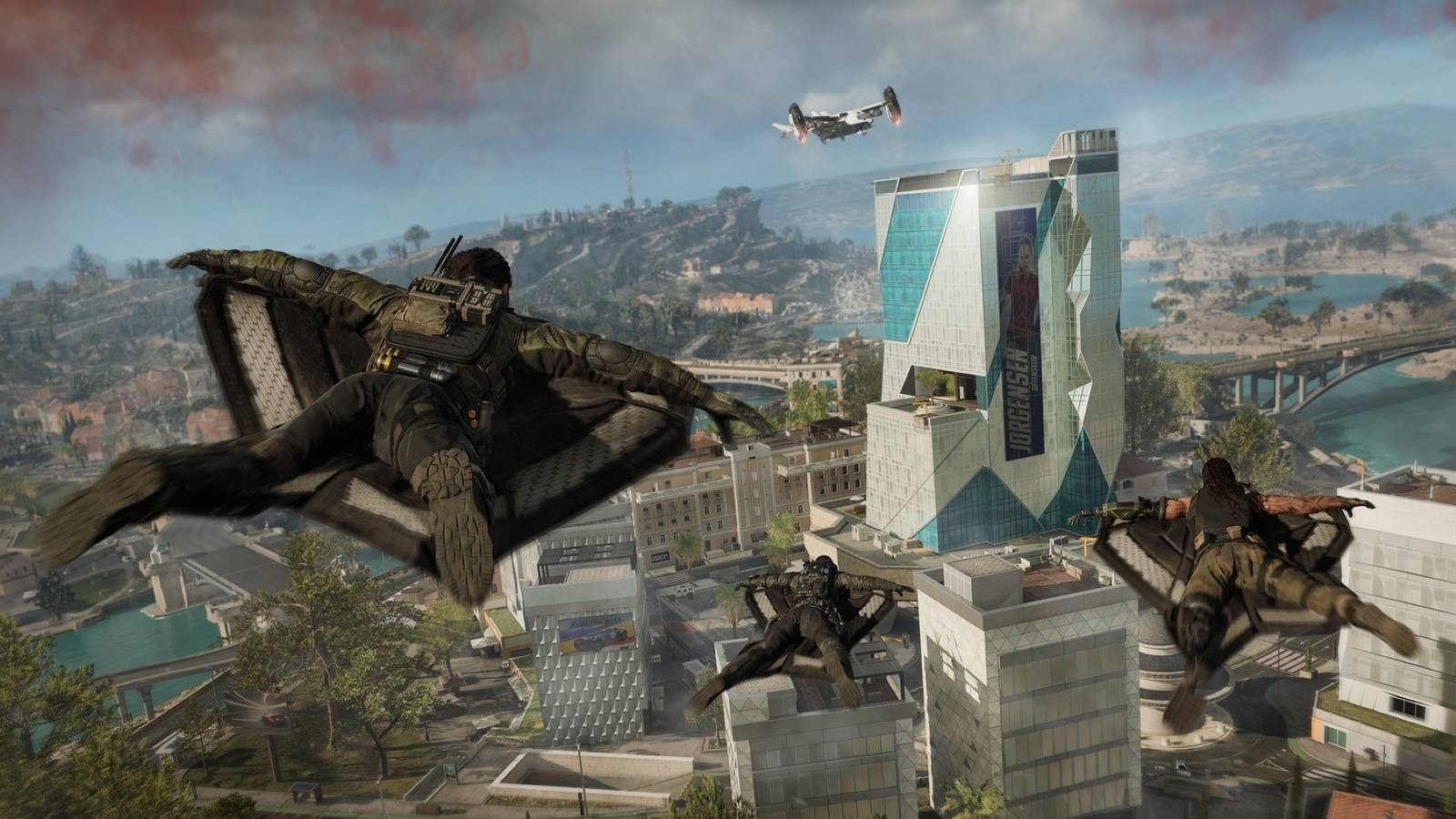
The future of ‘Call of Duty: Black Ops’ hinges on whether Activision and developer Treyarch are willing to make a strategic investment in rediscovering what made the series special. While the allure of the live-service model and continuous content streams is strong, neglecting the foundational identity of one of gaming’s most iconic sub-franchises risks long-term brand damage and alienating a significant portion of its dedicated player base. To truly thrive, Black Ops must remember its roots in the shadows, embracing the espionage, the psychological warfare, and the compelling, often uncomfortable truths that once defined its unforgettable legacy.