
Screamer Redefines Racing: Anime Aesthetics Fuse with Fighting Game Mechanics for a Groundbreaking Experience










Popular Now
 Counter-Strike 2
 Rust
Rust
 Warframe
 Grand Theft Auto V
 EA SPORT FC 25
 Free Fire
 Minecraft
 The Legend of Zelda
 God of War Ragnarök
 Fall Guys
 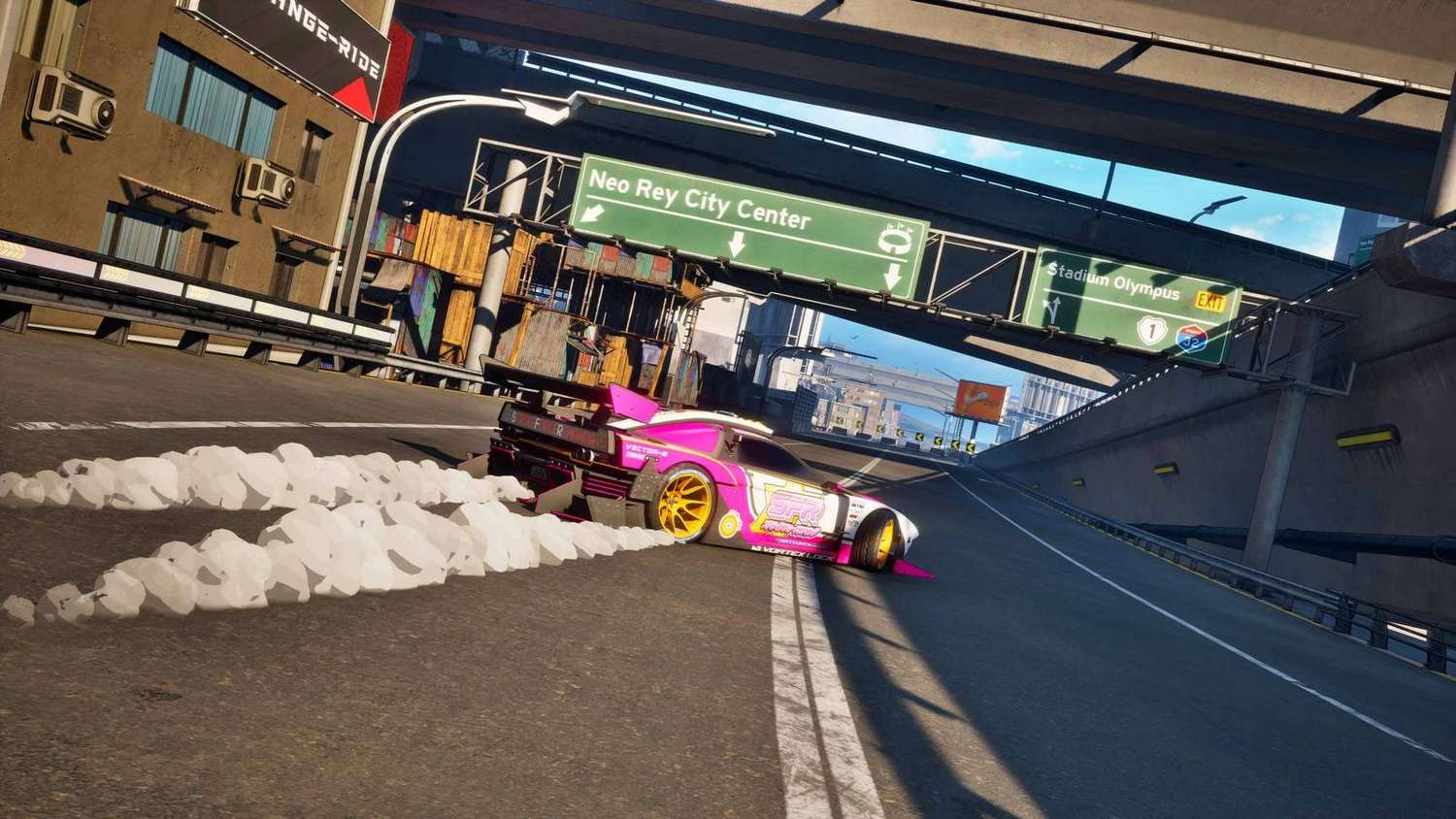 In an increasingly diverse gaming landscape, innovation often arises from unexpected fusions of established genres. One such title generating significant buzz in the gaming community is Screamer, an anime-inspired driving game that boldly attempts to weave the adrenaline-pumping speed of arcade racers with the strategic depth and visceral combat of fighting game mechanics. This audacious blend promises a unique gameplay experience, setting a new benchmark for what players can expect from high-octane vehicular combat.
The Core Concept: A Hybrid Racing Revolution
Screamer isn’t content with merely being another entry in the crowded racing genre. Instead, it positions itself as a revolutionary hybrid, meticulously designed to cater to fans of both fast-paced racing action and competitive fighting games. The fundamental premise involves players selecting from a roster of distinct characters, each piloting a customizable, anime-styled vehicle equipped with unique special abilities and combat maneuvers. The objective transcends simply crossing the finish line first; victory often hinges on strategically incapacitating opponents through a dazzling array of offensive and defensive techniques.
This innovative approach introduces a multi-layered strategic element previously unseen in traditional racing titles. Players must not only master track layouts and optimize driving lines but also understand opponent weaknesses, execute precise combos, and manage their special ability cool-downs. The potential for competitive gaming, including future esports integration, is immense, given the inherent skill ceiling such intricate mechanics naturally create. Developers appear keen on cultivating a vibrant online multiplayer experience, emphasizing competitive balance and deep player engagement from launch.
 Anime Aesthetics and World-Building
 Anime Aesthetics and World-Building
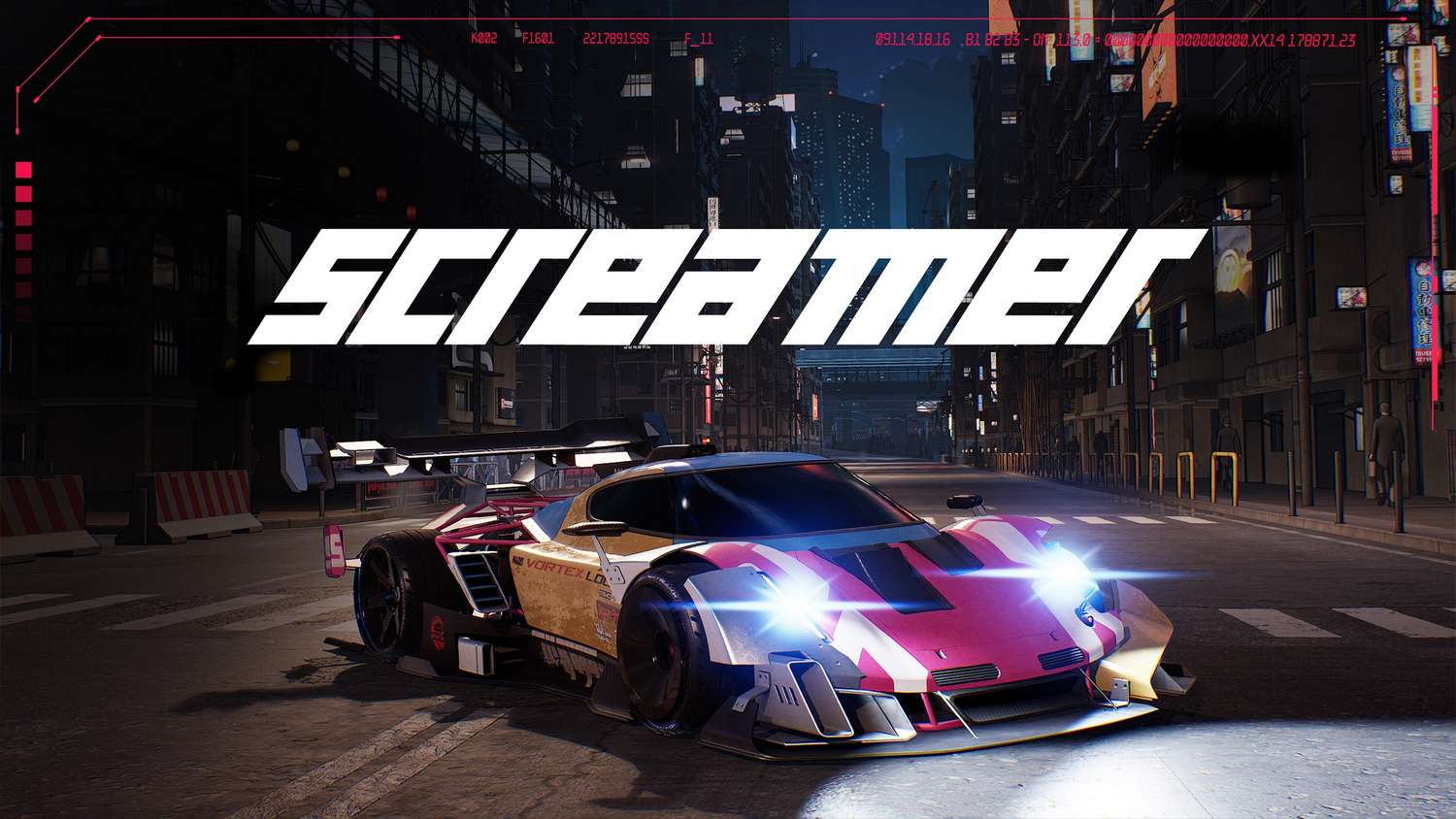
The visual identity of Screamer is deeply rooted in contemporary anime aesthetics, offering a vibrant, dynamic, and visually striking world. From the exaggerated designs of the customizable vehicles to the distinct personalities and abilities of each pilot, the game oozes stylistic flair. Environments are designed with a similar commitment to dynamic presentation, featuring neon-drenched cityscapes, futuristic tracks, and hazardous arenas that actively participate in the combat. This choice of art direction not only makes the game visually appealing but also allows for more creative and fantastical interpretations of vehicle combat, where the rules of physics can be bent to accommodate explosive special moves and gravity-defying maneuvers.
Beyond the visual spectacle, the anime inspiration extends to the narrative and character development, even if subtly integrated into a racing context. Each driver comes with a backstory and motivations, potentially unlocking unique dialogue, rivalries, and lore as players progress. This element adds significant replay value and provides a deeper connection to the game’s universe, elevating it beyond a simple arcade experience to a more immersive interactive entertainment product.
Unpacking the Fighting Game Mechanics
At the heart of Screamer’s distinctiveness lies its sophisticated implementation of fighting game mechanics. This isn’t just about ramming opponents; it involves a nuanced system of offensive and defensive maneuvers:
- Special Abilities: Each vehicle and pilot combination boasts a unique set of active and passive abilities, ranging from projectile attacks and area-of-effect blasts to defensive shields and temporary speed boosts. These are not mere power-ups but integral parts of a character’s kit, requiring strategic timing and resource management.
- Combo System: Players can chain together attacks and abilities to form devastating combos, increasing damage output and tactical advantage. Mastery of these combos will be crucial for high-level play, demanding precise input and situational awareness similar to established fighting game franchises.
- Blocking and Dodging: Defensive options are equally robust. Players can anticipate incoming attacks and execute dodges or activate shields, introducing a ‘mind game’ element where predicting an opponent’s move is as vital as landing your own.
- Environmental Interactions: Tracks are designed with interactive elements that can be utilized for both offensive and defensive purposes, adding another layer of strategic depth and environmental storytelling. This could involve triggering traps, using ramps for aerial assaults, or exploiting shortcuts.
The synthesis of these mechanics into a high-speed racing environment represents a formidable design challenge, but if executed effectively, it promises an unparalleled gaming experience. The developers’ focus on balancing the exhilarating speed of racing with the tactical decisions of combat is paramount to Screamer’s success.
The Promise of Competitive Play and Esports Potential
For high-CPC keywords, Screamer presents a compelling case for its potential in the competitive gaming arena. The hybrid genre itself is ripe for esports innovation, attracting a diverse player base from both racing and fighting game communities. The intricate mechanics, character diversity, and dynamic gameplay environment lend themselves perfectly to spectator appeal, a critical factor for any successful esport. Competitive multiplayer will likely form the backbone of the game’s longevity, offering:
- Ranked Ladders: A structured progression system designed to test player skill and provide ongoing challenges.
- Custom Lobbies: Allowing players to host private matches, fostering community engagement and competitive practice.
- Spectator Mode: Essential for broadcasting and commentary, enhancing the viewing experience for tournaments.
- Seasonal Content: Regular updates introducing new characters, vehicles, tracks, and balance adjustments to keep the meta fresh and engaging.
This commitment to competitive integrity and ongoing content support is crucial for building a sustainable player base and attracting investment in the esports ecosystem. The unique blend of arcade racing thrills with strategic combat depth provides a fresh canvas for professional players to showcase their skills.
Anticipated Impact and Market Positioning
Screamer aims to carve out a distinct niche in the video game market. By consciously blending two highly popular, yet rarely fused, genres, it targets a broad demographic while offering something truly novel. The game could appeal to:
- Arcade Racing Enthusiasts: Seeking a fresh take on high-speed competition with added layers of interaction.
- Fighting Game Fans: Looking for a new platform to apply their tactical combat skills in a unique setting.
- Anime Aficionados: Drawn in by the vibrant aesthetics and potential for engaging character-driven gameplay.
- Innovation Seekers: Gamers who actively look for titles that push boundaries and offer new forms of interactive entertainment.
The success of Screamer will undoubtedly hinge on the flawless execution of its ambitious concept. Balancing the raw speed of a racer with the precision of a fighter requires meticulous design and extensive playtesting. However, if the development team delivers on its promise, Screamer has the potential to become a standout title, a groundbreaking example of gaming innovation that redefines expectations for vehicular combat and hybrid genres.
 Conclusion: A New Horizon for High-Octane Action
 Conclusion: A New Horizon for High-Octane Action
Screamer stands as a testament to the boundless creativity within the video game industry. Its audacious blend of anime-inspired arcade racing with deep fighting game mechanics is not just a gimmick; it represents a serious attempt to create a truly unique and compelling gameplay loop. By offering a rich tapestry of strategic combat, high-speed thrills, and captivating visuals, Screamer promises an experience that is both intensely competitive and immensely enjoyable. As the gaming world eagerly anticipates more details and hands-on impressions, all signs point to Screamer being a title that could genuinely redefine what we expect from next-generation racing and combat games, solidifying its place as a hotly anticipated release and a potential critical darling in the ever-evolving landscape of interactive entertainment.